Architectural Concrete Bookends
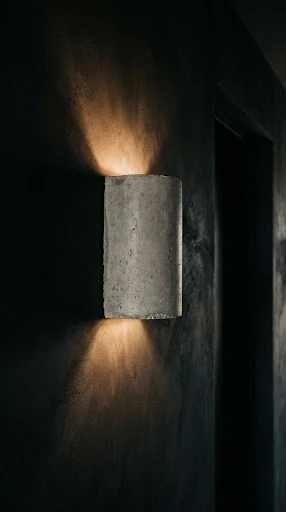
Bookshelves are often packed with literary treasures, but they also offer a prime canvas for displaying striking architectural accents. Concrete bookends combine functional weight with clean structural forms, holding heavy hardcovers in place while introducing raw material elegance to your home library. From arches and staircases to bold half-spheres and brutalist cubes, geometric concrete bookends bridge the gap between practical utility and fine art sculptures.
Constructing your molds is the most creative phase of this project. You can construct custom mold forms using smooth melamine board, thick foam core, or wood strips joined with hot glue and sealed along the internal seams with silicone caulk to prevent leaks. Cardboard packaging from small electronics or clean milk cartons can also be cut into dynamic asymmetrical angles. If you prefer rounded architectural elements, flexible plastic cutting mats rolled into arches or silicone arch cake molds provide magnificent curved forms that contrast wonderfully with the stark nature of raw concrete.
Because bookends need significant mass to function effectively, use a standard concrete mix that includes fine sand for strength. Stir the concrete thoroughly and pour it steadily into your custom forms, vibrating the sides with an electric sander or hand tapping to eliminate pockets of air along the structural edges. Leave the poured concrete to cure in a climate-controlled room for a minimum of 48 hours to ensure the internal structure achieves maximum density. After removing the forms, sand the geometric edges to crisp perfection, apply a satin finish sealer, and attach non-slip rubber bumpers to the underside so your new architectural accents stay anchored firmly in place.