
An architect-designed home is a masterclass in spatial choreography, structural honesty, and intentional minimalism. Unlike conventional residential interiors that rely on surface-level decoration, architect houses allow the architecture itself to dictate the decor. Raw materials such asboard-formed concrete, blackened steel, architectural glass, and warm timber take center stage, creating spaces that feel monumental yet deeply intimate.
Decorating an architect house requires a disciplined approach—balancing raw structural power with refined human comfort. Whether you are styling a modernist glass pavilion, a brutalist concrete sanctuary, or a contemporary timber-framed residence, this comprehensive guide explores 20 exquisite architect house decor ideas. Each concept includes a detailed introduction, an exploration of its design philosophy, step-by-step guidance on how to execute it, essential tips and variations, and the exact materials needed. At the conclusion of this article, you will find a curated collection of high-resolution visual prompts to inspire your next design project.
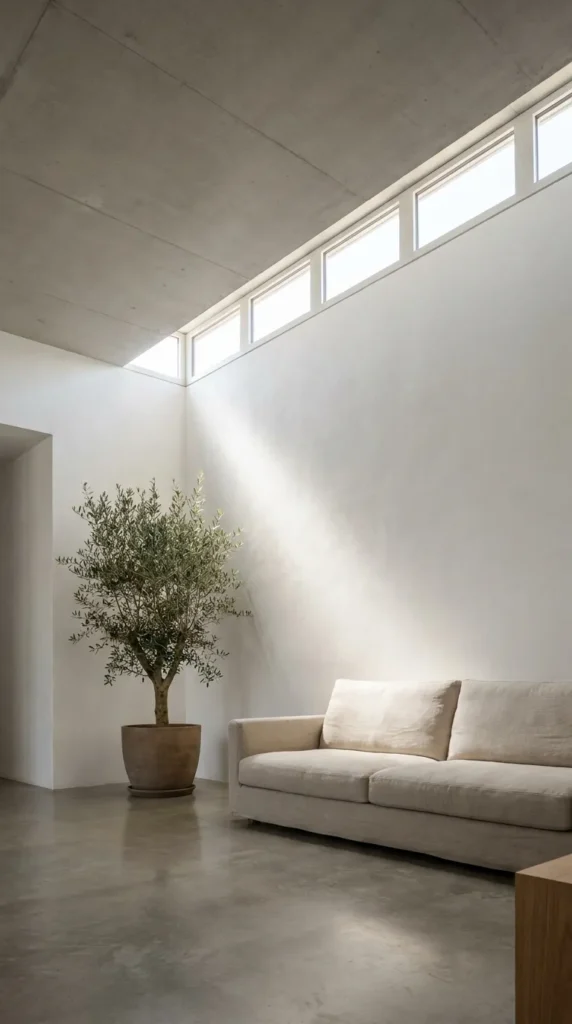
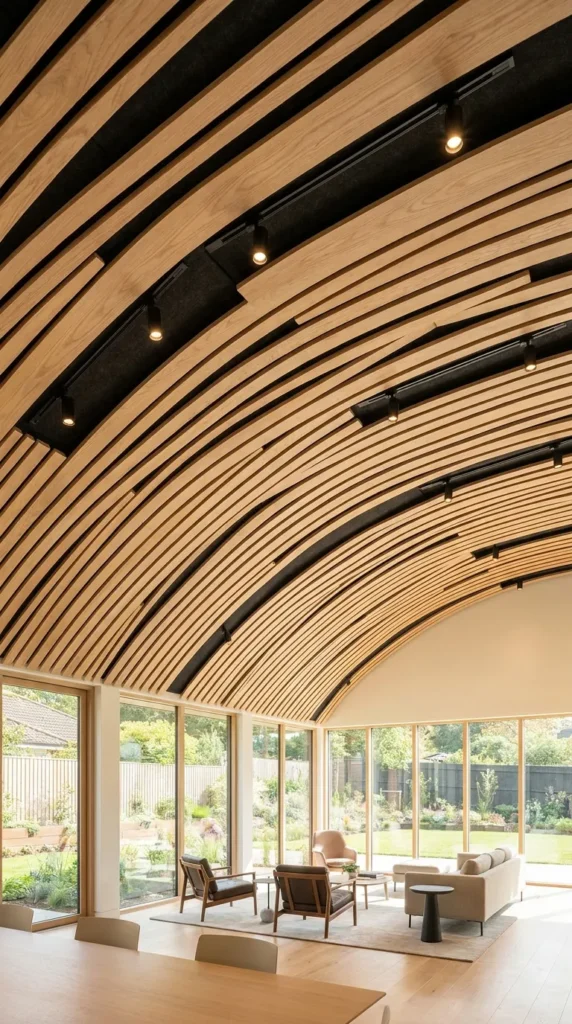
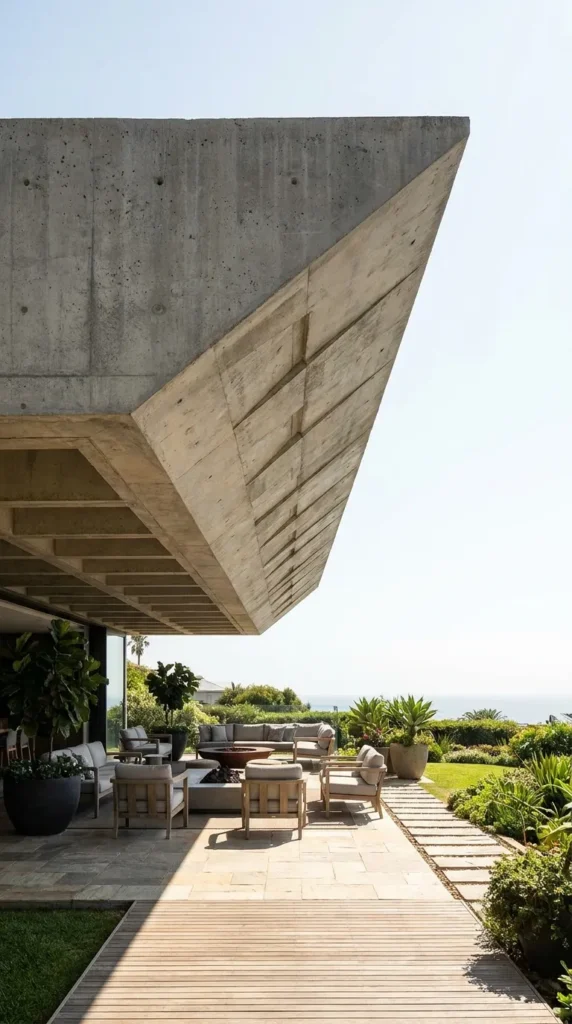
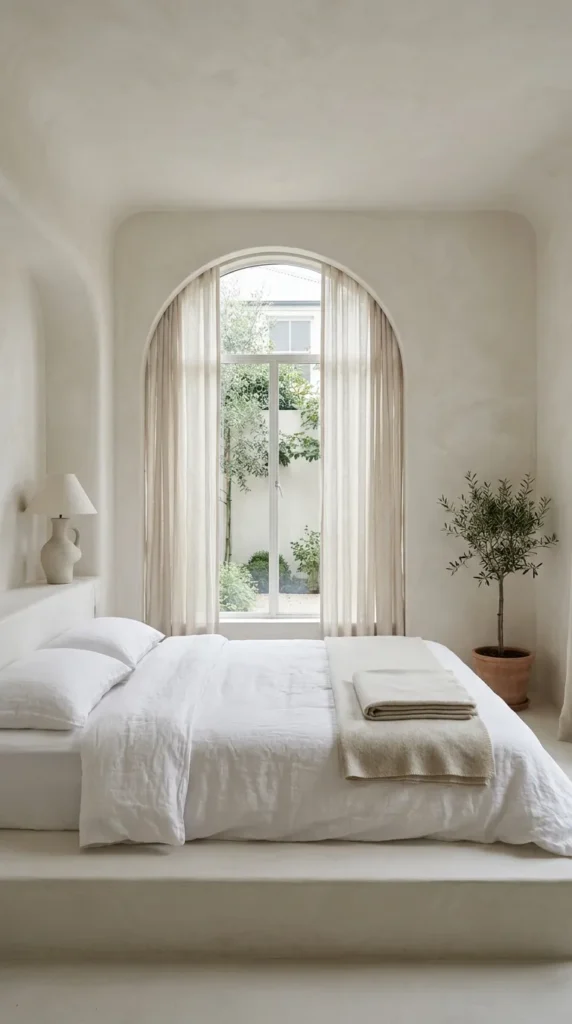
1. Exposed Concrete Structural Wall Feature
Introduction
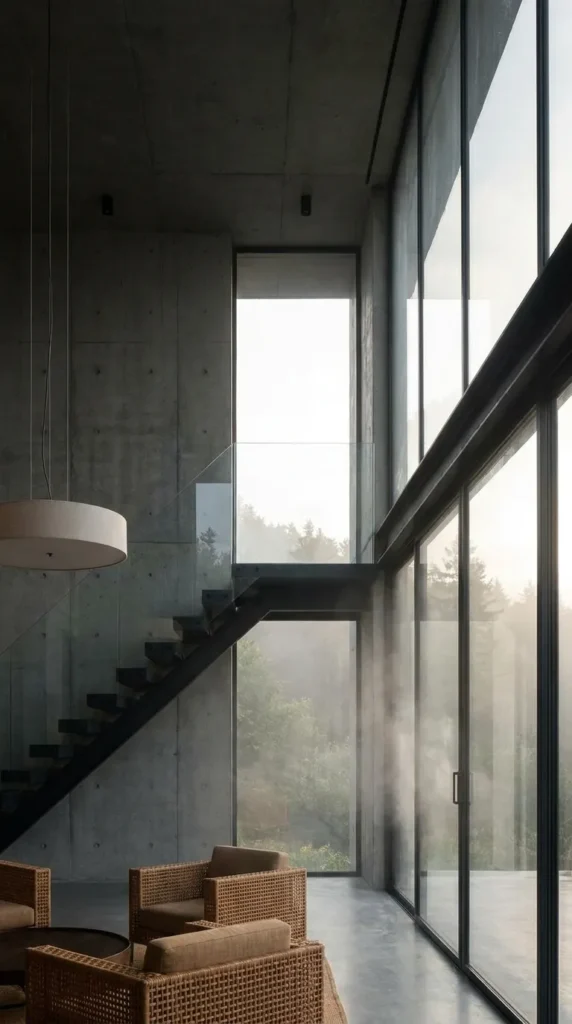
Exposed concrete is the hallmark of modern brutalist and contemporary architecture. Leaving a structural concrete wall completely bare celebrates the raw integrity of the building process, showcasing aggregate textures, tie-rod holes, and natural formwork imperfections as high art.
What This Idea Means
This concept represents structural honesty and tactile permanence. It strips away artificial veneers to reveal the core skeletal strength of the home, introducing an earthy, monolithic coolness that anchors expansive rooms.
How to Make It
- Surface Preparation: Clean the raw concrete wall thoroughly using a specialized masonry cleaner to remove construction dust, efflorescence, and grease oils.
- Refining Imperfections: Fill major honeycombs or tie-rod holes with a matching concrete repair mortar, or leave them raw if you prefer authentic industrial texture.
- Sealing: Apply a matte, breathable penetrating concrete sealer to prevent dusting and moisture absorption while maintaining the natural, non-glossy finish.
- Lighting Enhancement: Mount a recessed architectural ceiling wash light or linear LED grazing strip directly above the wall to cast angled shadows across the concrete texture.
Tips and Variations
- Tip: Avoid high-gloss sealers; matte or satin finishes preserve the organic, stone-like aesthetic of architectural concrete.
- Variation: Acid-stain the concrete wall in a subtle warm greige or charcoal tone if the original pour is uneven in color.
Needs to Make That Thing
- Specialized masonry surface cleaner
- Concrete repair mortar and putty knife
- Matte penetrating concrete sealer and roller
- Recessed linear LED wall-grazing light fixture