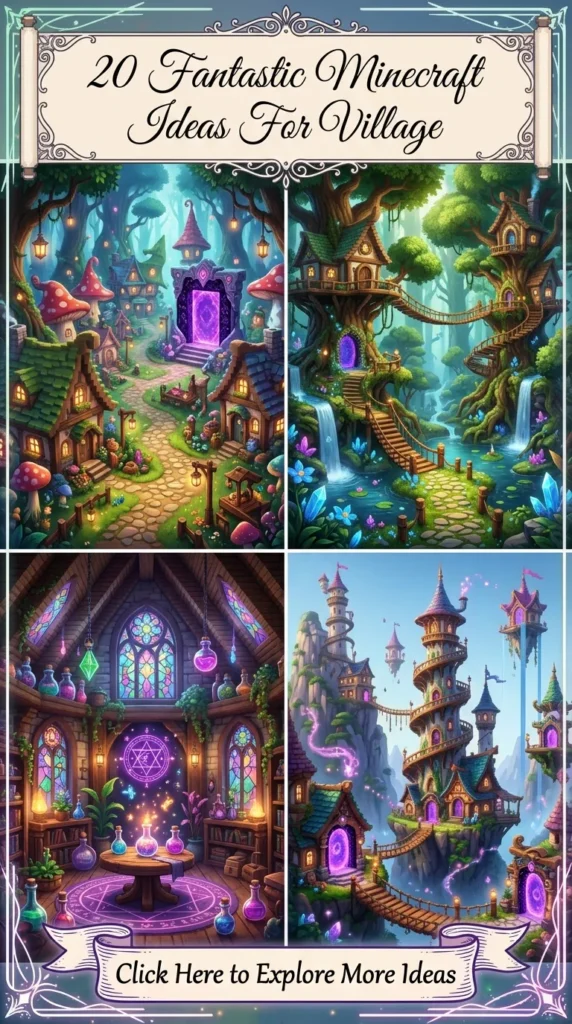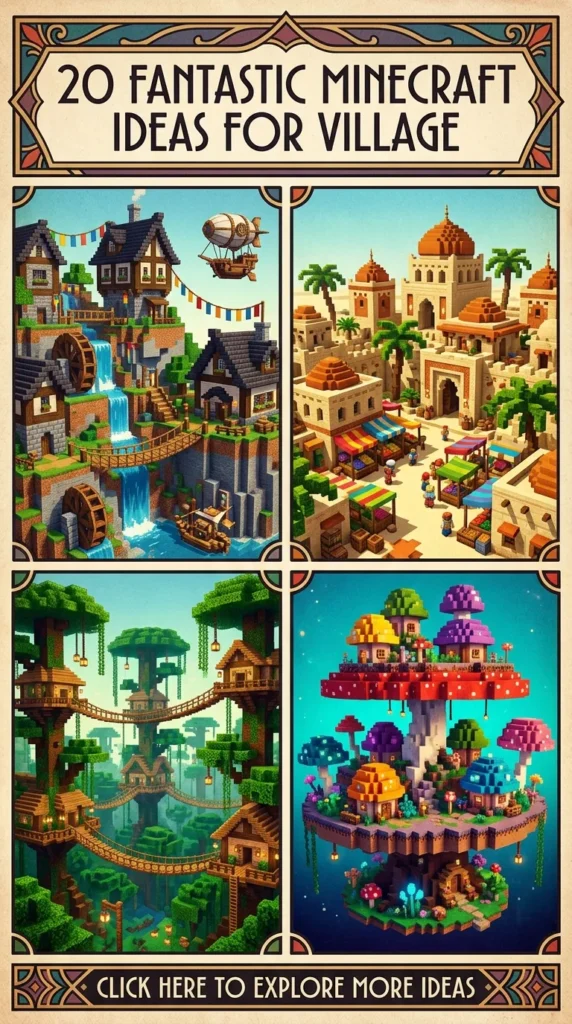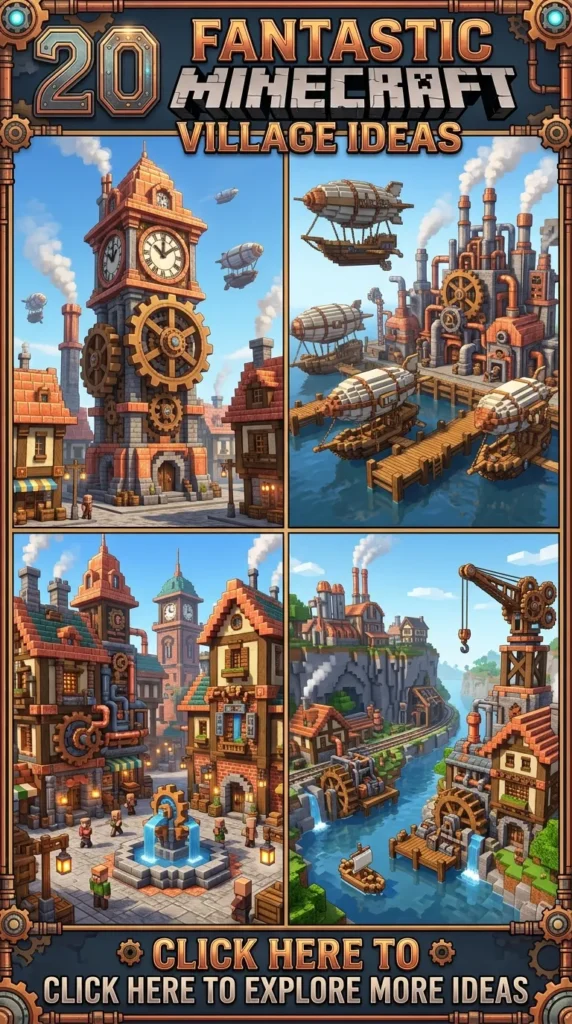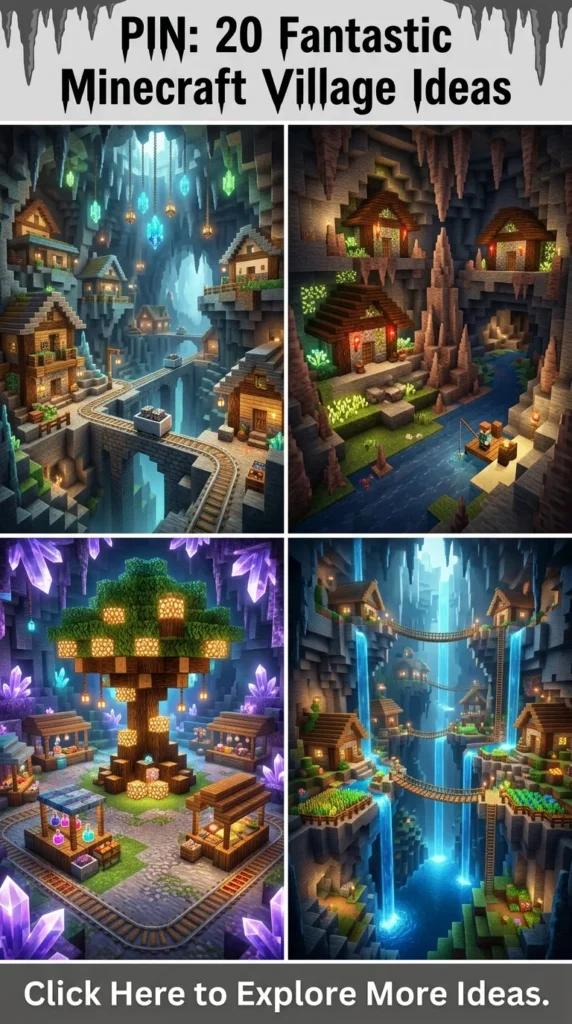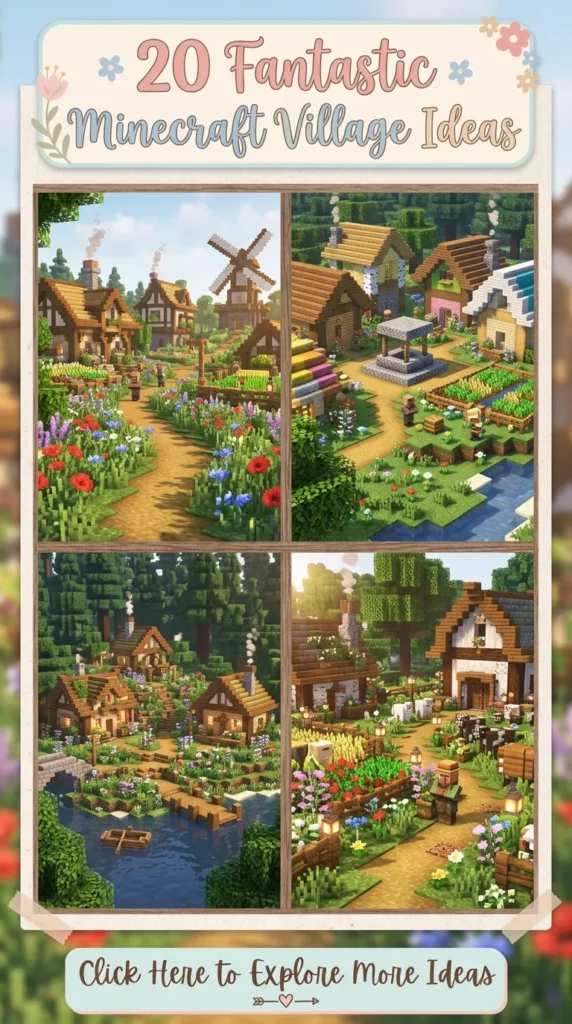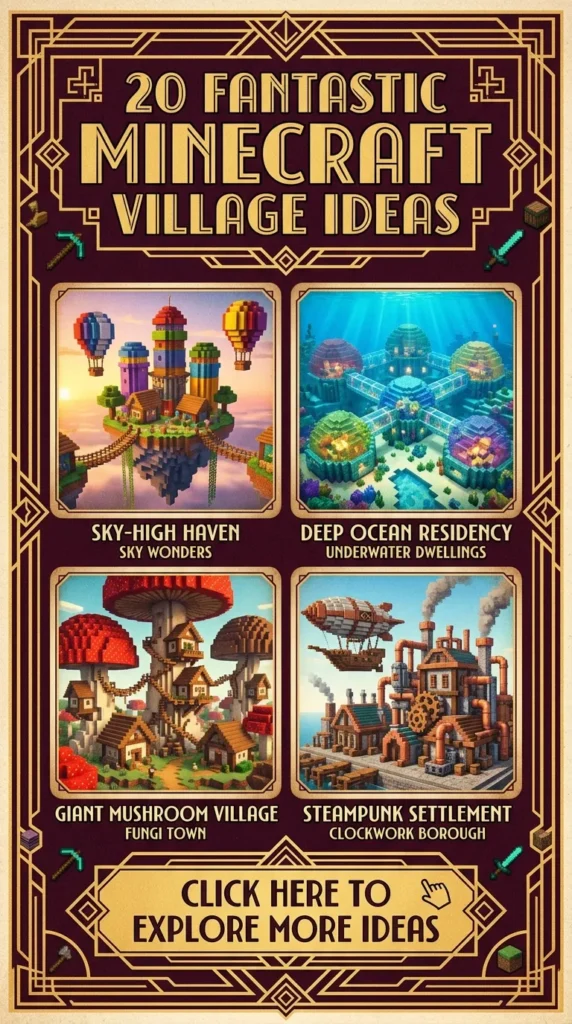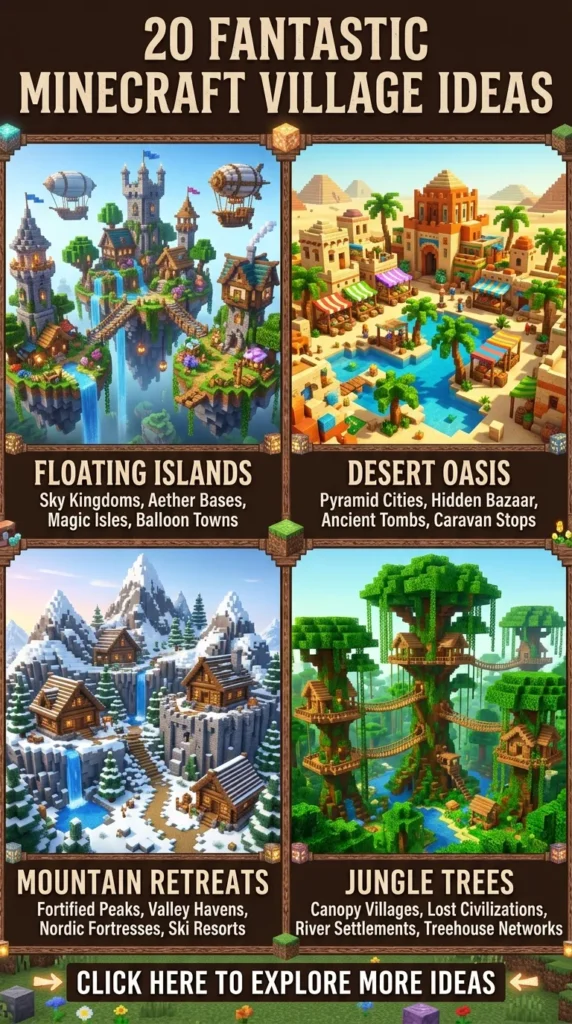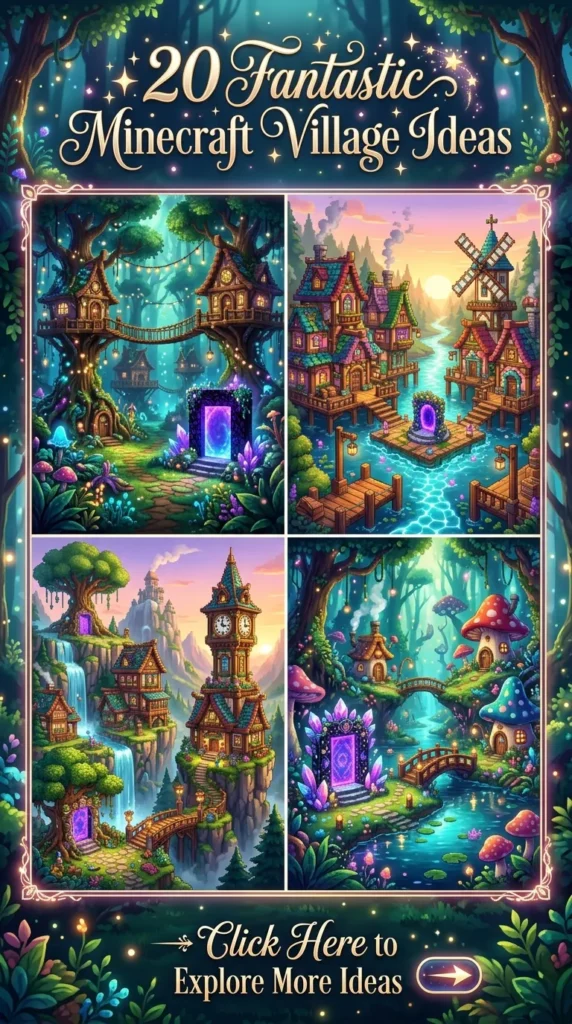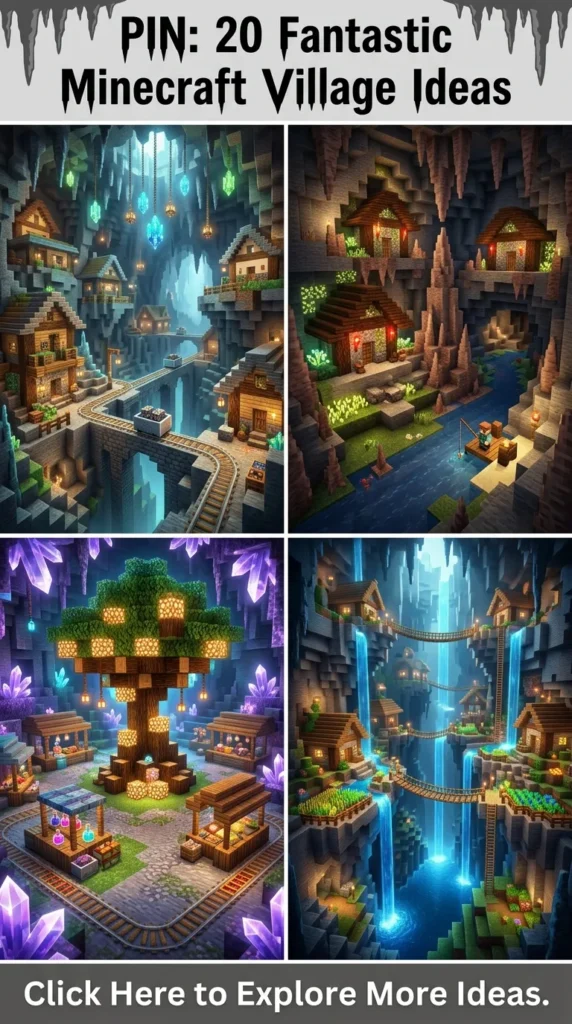
Transforming a standard, procedural Minecraft village into an architectural masterpiece is one of the most rewarding building projects you can undertake. Whether you prefer the cozy, organic warmth of cottagecore hamlets, the majestic stone masonry of medieval kingdoms, or the sleek innovation of modern eco-villages, upgrading a settlement breathes vibrant life into your single-player world or multiplayer server. This comprehensive guide details twenty unique, Pinterest-friendly Minecraft village concepts, complete with detailed breakdowns, material requirements, step-by-step construction guides, expert styling tips, and creative variations to inspire your next mega-build.



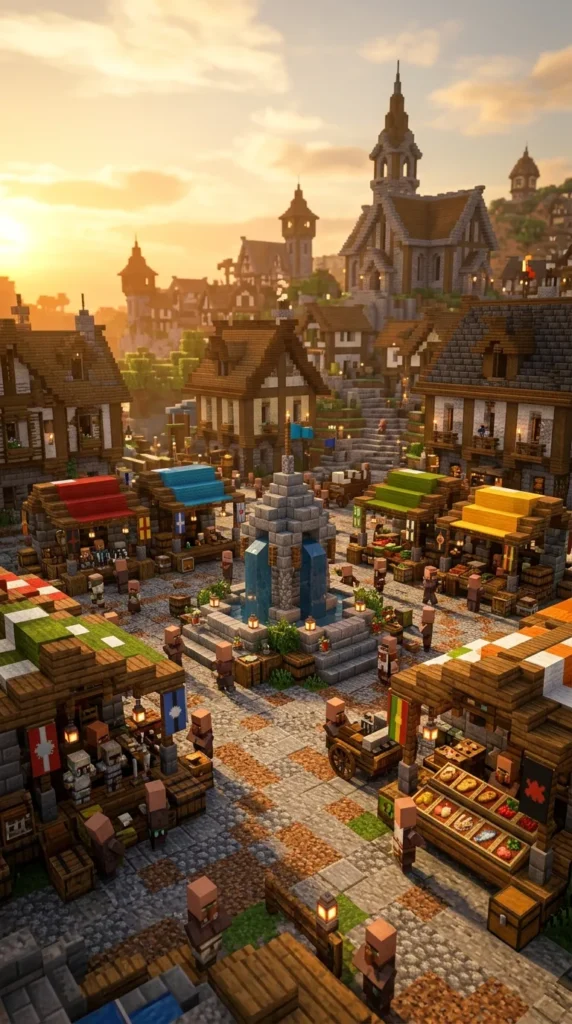
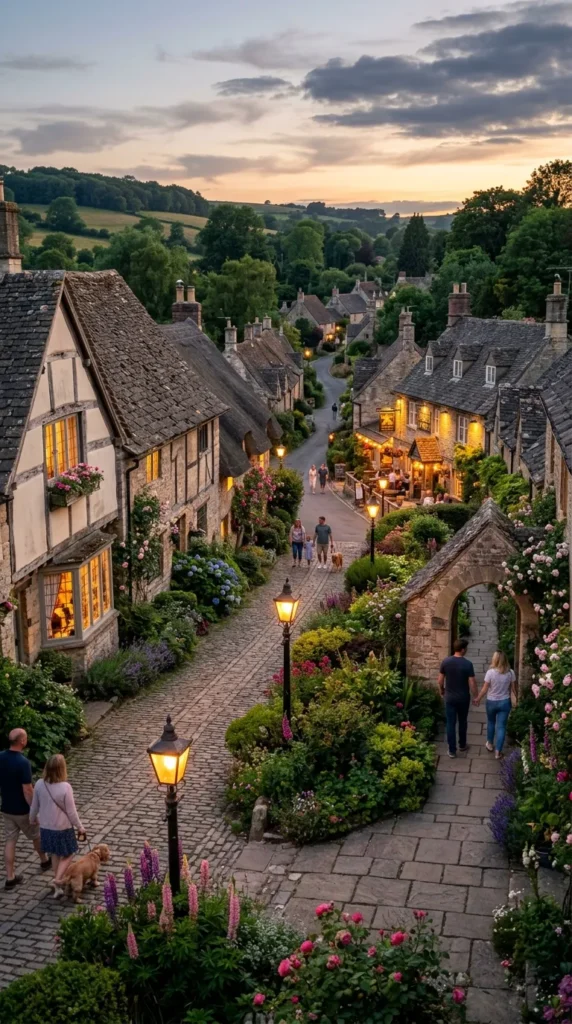
1. Medieval Market Square
Introduction and Brief
The Medieval Market Square serves as the bustling economic and social heart of any classic fantasy village. Featuring timber-framed merchant stalls, a central stone fountain, and cobblestone pathways, this vibrant hub brings your villager economy to life.
What This Idea Means
This concept represents community, commerce, and historical immersion. It transforms scattered villagers into an organized, lively trade center where players can easily access toolsmiths, cartographers, and armorers in one visually stunning plaza.
How to Make It
- Foundation: Lay down an expansive circular or rectangular plaza using a mix of cobblestone, mossy cobble, stone bricks, and gravel to create an aged, well-trodden stone texture.
- Structure: Build timber-framed market stalls around the perimeter using stripped oak logs for pillars, white wool or concrete powder for walls, and dark oak stairs for pitched awnings.
- Central Feature: Construct a multi-tiered stone brick fountain in the exact center, utilizing water source blocks flowing over slabs into a collection basin.
- Details: Add item frames to stall counters displaying bread, apples, emeralds, and potions. Place barrels, hay bales, and decorative carts loaded with pumpkins nearby.
Needs to Make That Thing
- Cobblestone, Stone Bricks, and Mossy Cobble
- Stripped Oak Logs and Oak Planks
- White Wool or White Concrete Powder
- Dark Oak Stairs and Slabs
- Fences, Barrels, Hay Bales, and Item Frames
Tips
Incorporate wandering trader pens and leash posts near the stalls to make the market feel active and authentic.
Variations
- The Autumn Harvest Market: Replace summer greenery with orange and yellow carpets, jack o’lanterns, and hay bales for a seasonal autumn festival layout.
- The Coastal Fish Market: Build docks extending outward with prismarine accents, hanging dried fish items, and spruce framing.
2. Cottagecore Apiary & Honey Farm
Introduction and Brief
Nestled among rolling hills and blooming wildflower meadows, the Cottagecore Apiary is a serene village farming quarter dedicated to beekeeping, honey production, and rustic pastoral living.
What This Idea Means
This idea embodies tranquility, sustainability, and cozy aesthetics. It blends natural wood textures, cheerful floral landscaping, and cozy cottage living into a picturesque rural retreat.
How to Make It
- Foundation: Build a charming, asymmetric cottage base using spruce planks and stripped birch logs, elevated slightly on stone brick foundations.
- Structure: Frame sloping A-frame roofs with spruce stairs, leaving gables open for glass pane windows looking out over flower gardens.
- Apiary Setup: Construct an outdoor bee enclosure using fence posts, hanging lanterns, and multiple bee nests surrounded by vast fields of cornflowers, poppies, and dandelions.
- Interiors: Install beehive storage barrels, a smoker station, a crafting desk, and cozy wool beds draped with flower pots.
Needs to Make That Thing
- Spruce Planks, Stairs, and Slabs
- Stripped Birch Logs
- Bee Nests and Beehives
- Fences, Campfires, and Lanterns
- Extensive Flower varieties (Cornflowers, Poppies, Dandelions)
Tips
Always place a campfire directly beneath bee nests or hives before harvesting honey bottles to prevent bees from becoming hostile.
Variations
- The Sunflower Meadow Cottage: Surround the cottage with walls of towering double-tall sunflowers and golden honey block accents.
- The Mead Hall Extension: Attach a rustic dining hall featuring long oak tables and barrels of honey-infused beverages.
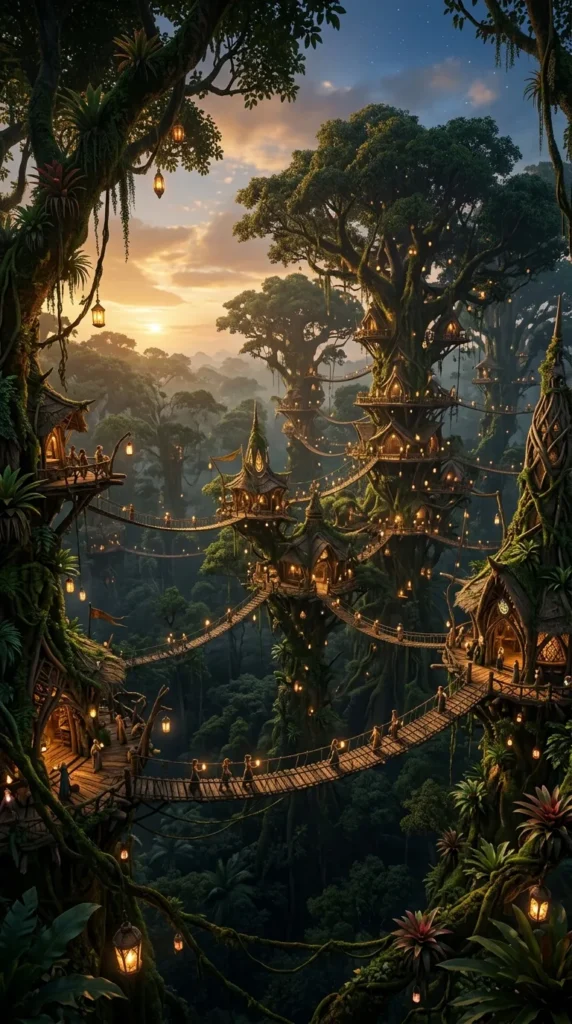
3. Elven Tree-Top Village Quarter
Introduction and Brief
Suspended high in the ancient branches of a massive custom forest canopy, the Elven Tree-Top Village connects harmonious treehouses via winding wooden rope bridges and glowing leaf canopies.
What This Idea Means
This architectural concept celebrates verticality, magical fantasy, and unity with nature. It elevates your village into the skies, keeping inhabitants safe from ground-dwelling nocturnal mobs.
How to Make It
- Foundation: Plant four giant jungle or dark oak saplings close together and bone-meal them until they form a colossal fused trunk structure.
- Platforms: Build circular wooden platforms branching outward from the trunk using spruce and jungle wood slabs, anchored by hanging chain lines.
- Dwellings: Construct organic, curved pod-shaped homes using stripped wood and tinted glass panes for seamless integration into the leaves.
- Bridges: Connect neighboring trees using suspension bridges crafted from spruce fences, chains, and trapdoor flooring.
Needs to Make That Thing
- Giant Saplings (Jungle or Dark Oak) and Bone Meal
- Spruce and Jungle Planks, Slabs, and Stairs
- Chains, Fences, and Trapdoors
- Glow Berries and Sea Lanterns for ambient lighting
Tips
Use water elevators or scaffolding hidden inside hollowed tree trunks for fast, effortless vertical travel between platforms.
Variations
- The Crystal Elven Spire: Integrate amethyst blocks and sea lanterns into the tree crowns for a magical, glowing twilight aesthetic.
- The Moonlit Canopy Village: Focus entirely on dark oak, warped stems, and soul lanterns for a mysterious nocturnal woodland vibe.
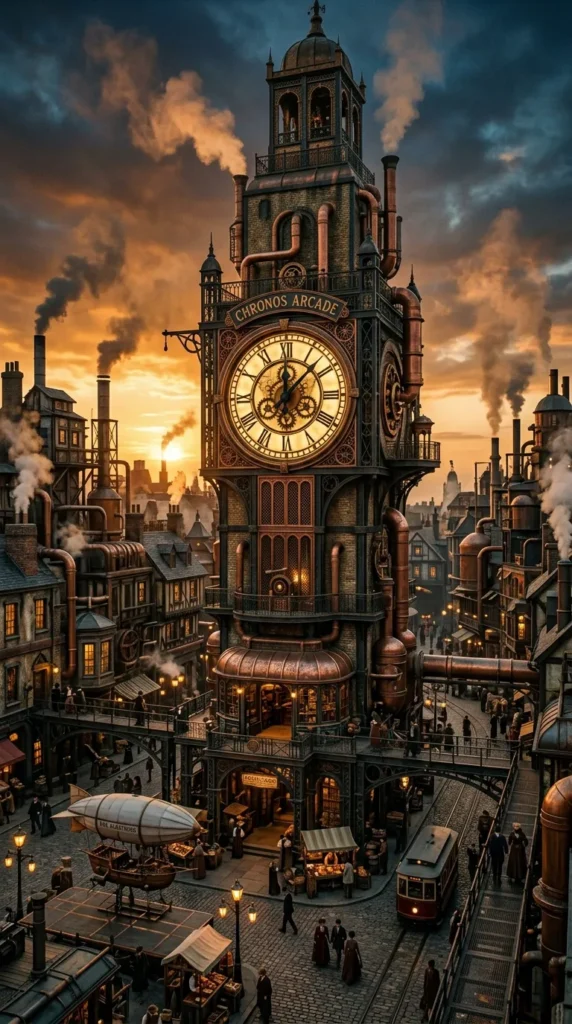
4. Steampunk Clocktower Hub
Introduction and Brief
Dominating the skyline with spinning gears, copper plates, and a massive illuminated clock face, the Steampunk Clocktower serves as the navigational beacon and timekeeper for the entire settlement.
What This Idea Means
This concept represents industrial ingenuity, intricate mechanical detail, and vertical grandeur. It provides a striking architectural contrast to rustic wooden houses.
How to Make It
- Foundation: Pour a heavy, fortified base of smooth stone, chiseled stone bricks, and iron block accents.
- Tower Body: Build upward using vertical columns of stripped dark oak or deepslate tiles, punctuated by copper grates and industrial scaffolding.
- Clock Face: Construct a massive circular clock face on all four sides using quartz stairs, black concrete powder for the dial background, and rotating hands made of iron bars.
- Top: Cap the tower with a pointed copper roof crowned by a lightning rod and smoking chimney stacks.
Needs to Make That Thing
- Deepslate Tiles and Smooth Stone
- Copper Blocks, Cut Copper, and Copper Grates
- Quartz Stairs and Black Concrete Powder
- Iron Bars, Scaffolding, and Lightning Rods
Tips
Use campfires hidden beneath trapdoors inside the chimney stacks to produce realistic industrial smoke venting into the sky.
Variations
- The Airship Mooring Tower: Attach a large wooden landing dock and mooring cables extending from the top of the tower for visiting airships.
- The Automated Gearworks: Decorate the exterior walls with interlocking piston heads and rail tracks simulating complex internal machinery.
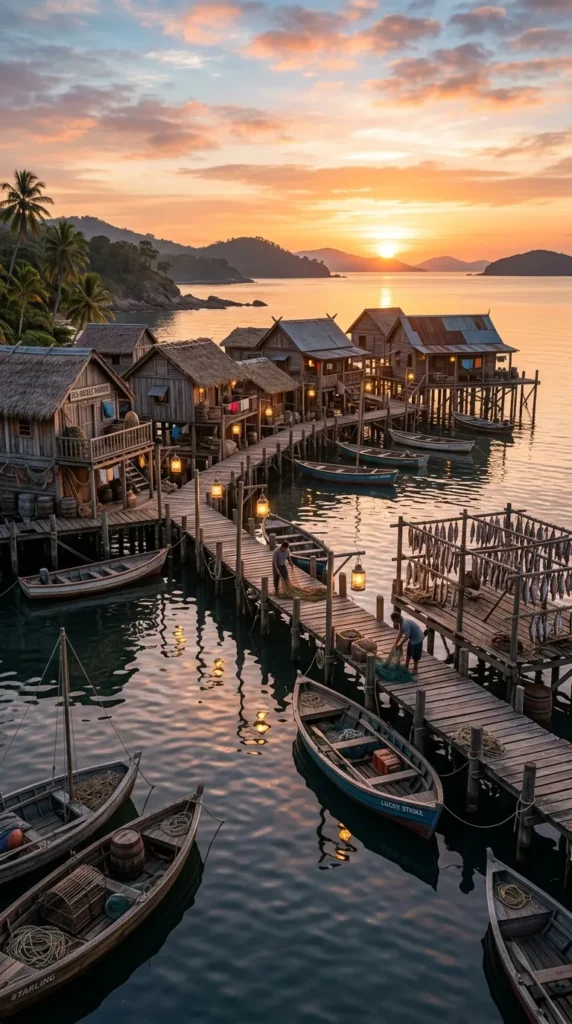
5. Cozy Coastal Fishing Village Port
Introduction and Brief
Perched along a shimmering ocean coastline, this maritime fishing village features stilted wooden cottages, docked wooden sloops, and bustling fish-drying racks.
What This Idea Means
This idea captures nautical charm, maritime trade, and relaxed coastal living. It utilizes water physics, docks, and maritime decor to create a lively seaside community.
How to Make It
- Foundation: Drive sturdy oak and spruce fence pillars deep into the seabed to support wooden boardwalk piers extending out over the water.
- Cottages: Build coastal houses using oak planks, prismarine roof stairs, and glass pane windows looking directly out at the horizon.
- Port Facilities: Construct fish-drying racks using fence posts and carpets, alongside barrels stacked neatly with fishing rods and treasure chests.
- Boats: Dock custom-built wooden fishing sloops and rowboats along the piers using fences and trapdoors.
Needs to Make That Thing
- Oak and Spruce Fences, Planks, and Slabs
- Prismarine Stairs and Bricks for aquatic roofs
- Barrels, Campfires, and Item Frames
- Wool Carpets for fish-drying racks
Tips
Illuminate the wooden boardwalks with hanging lanterns and sea pickles placed on the seabed beneath shallow water for an enchanting night glow.
Variations
- The Lighthouse Keeper’s Cove: Add an adjacent rocky cliff topped with a towering red-and-white striped brick lighthouse.
- The Mermaid’s Pier: Incorporate coral reefs, sea grass, and tropical fish tanks integrated directly into the pier flooring.
6. Enchanted Wizard’s Academy Quarter
Introduction and Brief
A mystical scholarly enclave filled with towering stone spires, floating magical artifacts, glowing portals, and botanical gardens growing rare potion ingredients.
What This Idea Means
This concept represents arcane mystery, intellectual pursuit, and high fantasy. It provides a dedicated magical district for enchanting, brewing, and magical experimentation.
How to Make It
- Foundation: Build a grandiose stone and deepslate courtyard surrounded by towering gothic arches.
- Spire Towers: Construct soaring conical towers using purple purpur blocks, dark prismarine, or deepslate tiles with glowing stained glass windows.
- Gardens: Plant nether warts, glowing berries, chorus plants, and mushrooms in terraced stone planter beds.
- Interiors: Fill classrooms with enchanting tables, endless rows of bookshelves, brewing stands, lecterns, and glowing item displays.
Needs to Make That Thing
- Deepslate Tiles and Chiseled Stone
- Purple Purpur Blocks and End Stone Bricks
- Stained Glass Panes (Purple, Magenta, Cyan)
- Bookshelves, Lecterns, and Brewing Stands
Tips
Use amethyst clusters and floating end crystals (if in creative) or glowing sea lanterns to create magical floating light sources.
Variations
- The Alchemist’s Laboratory: Focus the architecture on bubbling cauldrons, melting copper pipes, and mysterious potion storage rooms.
- The Celestial Observatory: Build a glass-domed rooftop planetarium housing map tables and spyglass stands.


7. Subterranean Dwarven Mining Outpost
Introduction and Brief
Carved directly into the sheer stone walls of a massive underground cavern, the Dwarven Mining Outpost features heavy stone architecture, glowing lava forges, and underground rail networks.
What This Idea Means
This idea celebrates subterranean industry, dwarven engineering, and rugged stonemasonry. It transforms dark cave systems into secure, highly productive mining colonies.
How to Make It
- Foundation: Excavate a massive underground cavern chamber, reinforcing walls with cobbled deepslate, polished basalt, and raw iron blocks.
- Forges: Build massive blacksmithing forges using lava source blocks framed by iron bars, blast furnaces, and anvil stations.
- Housing: Carve cozy alcove homes into the cavern walls with heavy oak doors, lantern lighting, and stone furniture.
- Railways: Lay down powered rail networks connecting the underground outpost to surface village trading stations.
Needs to Make That Thing
- Cobbled Deepslate and Polished Basalt
- Lava Buckets and Iron Bars
- Blast Furnaces, Anvils, and Grindstones
- Rails, Powered Rails, and Minecarts
Tips
Use chain suspensions and iron support beams across cavern ceilings to make the massive underground hall feel structurally engineered.
Variations
- The Crystal Cavern Settlement: Build homes inside natural glowing amethyst geodes with crystal walls and pink wool decor.
- The Magma Forge Empire: Center the entire outpost around a colossal underground lava lake crossed by suspension bridges.
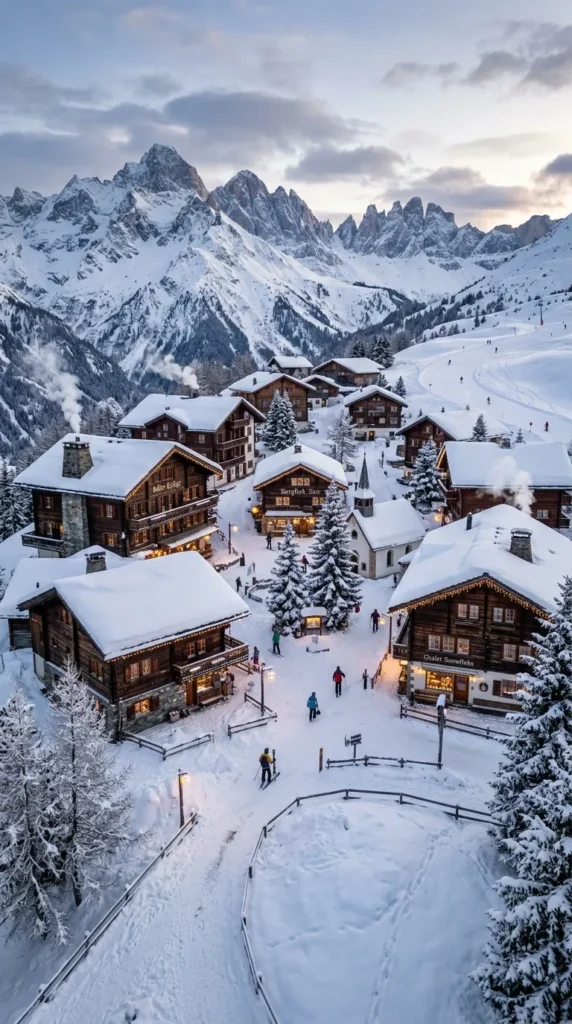
8. Alpine Ski Lodge Village
Introduction and Brief
Perched high on snow-capped mountain peaks, the Alpine Ski Lodge Village features steeply pitched timber roofs, cozy stone fireplaces, and warm glowing windows against winter white landscapes.
What This Idea Means
This concept embraces cozy winter aesthetics, rugged mountain survival, and Swiss chalet charm. It turns barren snowy slopes into welcoming alpine retreats.
How to Make It
- Foundation: Lay strong stone and packed ice foundations firmly into snowy mountain terrain.
- Lodge Structure: Build cabins using stripped spruce logs for structural beams, spruce planks for walls, and steep snow-covered stair roofs.
- Fireplaces: Construct massive exterior stone chimneys venting smoke from roaring campfires inside.
- Details: Add wooden ski racks with snowballs in item frames, hanging lanterns, and spruce leaf pine trees dusted with snow blocks.
Needs to Make That Thing
- Spruce Planks, Stairs, and Stripped Logs
- Stone Bricks and Cobblestone for chimneys
- Snow Blocks and Powder Snow
- Campfires, Fences, and Lanterns
Tips
Use white carpet blocks draped over roof edges to simulate realistic, heavy snow accumulation on your chalet roofs.
Variations
- The Mountain Cable Car Station: Build a functioning wooden pulley station with rope lines extending down the mountain slope.
- The Ice Palace Hotel: Combine packed ice, blue glass, and warm wood interiors for a luxurious glacial resort.
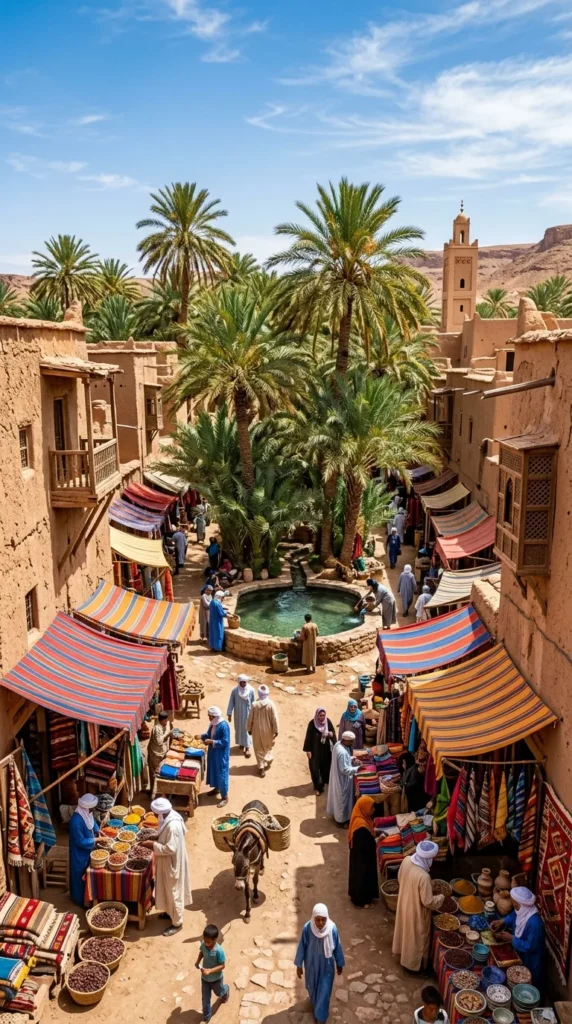
9. Desert Oasis Mudbrick Bazaar
Introduction and Brief
Thriving in the arid expanse of the desert biome, this vibrant oasis village features sun-dried mudbrick architecture, date palm trees, cool shaded courtyards, and central water springs.
What This Idea Means
This concept celebrates desert culture, architectural adaptation to extreme climates, and rich spice-trade aesthetics. It turns desolate sand dunes into lush desert havens.
How to Make It
- Foundation: Build flat-roofed terrace houses using mud bricks, packed mud, and smooth sandstone foundations.
- Oasis Core: Excavate a central spring surrounded by lush palm trees built from jungle wood and jungle leaves.
- Shade Canopies: Stretch colorful wool awnings and canvas tents between buildings to provide shade for bustling outdoor market stalls.
- Interiors: Decorate with terracotta pots, cactus planters, pottery sherds, and colorful wool rugs.
Needs to Make That Thing
- Mud Bricks and Packed Mud
- Smooth Sandstone and Cut Sandstone
- Colored Wool (Orange, Yellow, Cyan) for awnings
- Jungle Wood and Leaves for palm trees
Tips
Use water source blocks and sugar cane around the central oasis to create an authentic desert water source thriving against the sand.
Variations
- The Nomad Camp: Replace permanent mudbrick houses with sprawling canvas tent pavilions and campfire cooking circles.
- The Desert Temple Settlement: Integrate ancient sandstone pyramid ruins and mysterious vault rooms into the village perimeter.
10. Cherry Blossom Japanese Village
Introduction and Brief
Surrounded by soft pink falling cherry leaves and serene koi ponds, this tranquil Japanese-inspired village features classic curved pagoda roofs and paper shoji screen walls.
What This Idea Means
This idea focuses on profound peace, minimalist elegance, and delicate color harmonies. The pale pink cherry wood creates an exceptionally picturesque, Pinterest-friendly aesthetic.
How to Make It
- Foundation: Elevate traditional wooden buildings on low stone platforms surrounded by gravel pathways and water streams.
- Walls & Screens: Use cherry wood pillars combined with white concrete powder or white wool behind bamboo fences to create authentic shoji screens.
- Roofs: Construct sweeping pagoda roofs using dark oak or bamboo stairs curving gracefully upward at the outer corners.
- Gardens: Plant cherry blossom trees, azalea bushes, and bamboo stalks around stone lantern pathways.
Needs to Make That Thing
- Cherry Wood Planks, Stairs, and Stripped Logs
- White Concrete Powder or White Wool
- Bamboo Fences and Scaffolding
- Stone Lanterns and Azalea Bushes
Tips
Incorporate red nether brick or crimson trapdoors as traditional red accent pillars to create striking color contrast against the pink cherry wood.
Variations
- The Zen Rock Garden: Surround a central meditation pavilion with raked white concrete powder and bonsai azalea trees.
- The Hot Spring Onsen: Build steaming outdoor stone pool baths surrounded by smooth basalt and rising steam particle effects.
11. Swamp Witch Stilt Village
Introduction and Brief
Raised precariously above murky, vine-tangled swampland waters, this mystical stilt village features weathered wooden shacks, brewing cauldrons, and glowing mushroom garden patches.
What This Idea Means
This concept embraces spooky gothic charm, swamp ecology, and mysterious folklore. It transforms gloomy swampland into an atmospheric, character-rich settlement.
How to Make It
- Foundation: Drive dark oak and mangrove fence pillars deep into the murky swamp water, reinforcing them with mossy cobblestone.
- Shacks: Build crooked, asymmetric huts using mangrove planks, stripped oak logs, and mossy roof stairs.
- Walkways: Connect the stilted huts using uneven wooden plank bridges draped with weeping vines and hanging moss.
- Details: Add witch huts featuring bubbling cauldrons, brewing stands, hanging lanterns, and glowing brown and red mushrooms.
Needs to Make That Thing
- Mangrove Planks, Stairs, and Roots
- Dark Oak Fences and Stripped Logs
- Mossy Cobblestone and Weeping Vines
- Cauldrons, Brewing Stands, and Glowing Mushrooms
Tips
Use tinted glass panes and soul lanterns to cast an eerie, dim blue-green glow across the murky swamp waters at night.
Variations
- The Alchemist’s Floating Laboratory: Focus the village on extensive potion brewing stations, ingredient drying racks, and mysterious books.
- The Sunken Ruin Village: Combine stilted wooden huts with partially submerged stone brick ruins overtaken by lily pads and slime.
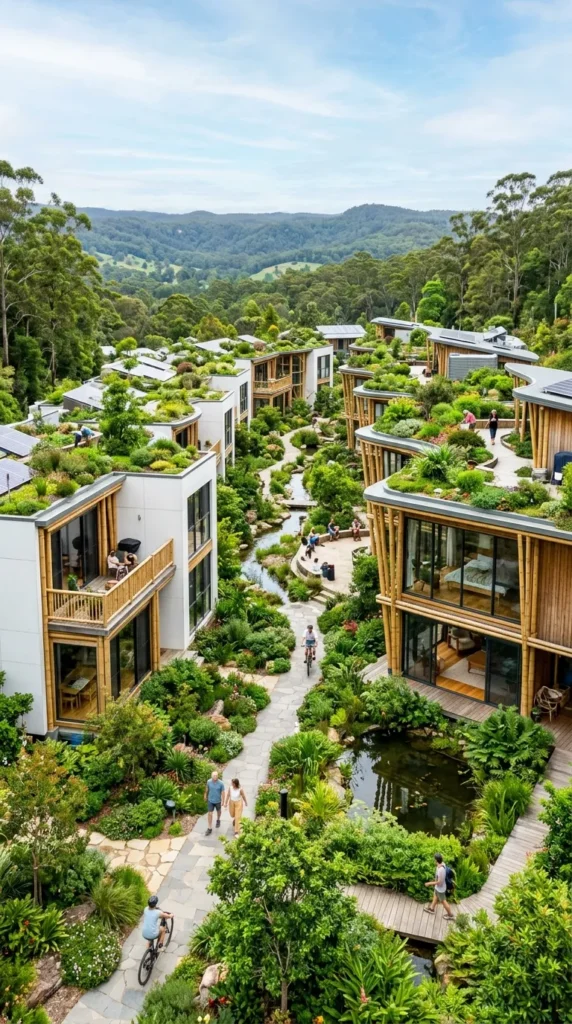
12. Modern Eco-Village Community
Introduction and Brief
A sustainable, forward-thinking eco-village featuring renewable energy aesthetics, green rooftop gardens, smooth quartz and wood architecture, and integrated vertical farming.
What This Idea Means
This concept highlights modern architectural innovation, sustainability, and clean community living. It proves that Minecraft villages can embrace sleek, contemporary design.
How to Make It
- Foundation: Pour crisp white concrete and smooth quartz slab foundations extending into wooden patio decks.
- Structure: Build open-concept housing using stripped birch or bamboo framing, floor-to-ceiling glass windows, and clean geometric lines.
- Green Roofs: Plant rooftop gardens overflowing with wheat, carrots, potatoes, and flowering azalea bushes that insulate the homes.
- Details: Add solar panel aesthetic touches using daylight detectors, rainwater collection barrels, and modern quartz stairways.
Needs to Make That Thing
- White Concrete and Smooth Quartz Slabs
- Stripped Birch or Bamboo Blocks
- Glass Panes and Tinted Glass
- Daylight Sensors and Rooftop Garden Crops
Tips
Incorporate hidden redstone lamps beneath water channels and glass pathways to create sleek, modern architectural floor lighting.
Variations
- The Cliffside Eco-Pod Village: Suspend futuristic geometric living pods against sheer cliff faces using reinforced iron chains.
- The Floating Hydroponic Village: Build circular glass-domed agricultural pods floating on calm freshwater lakes.
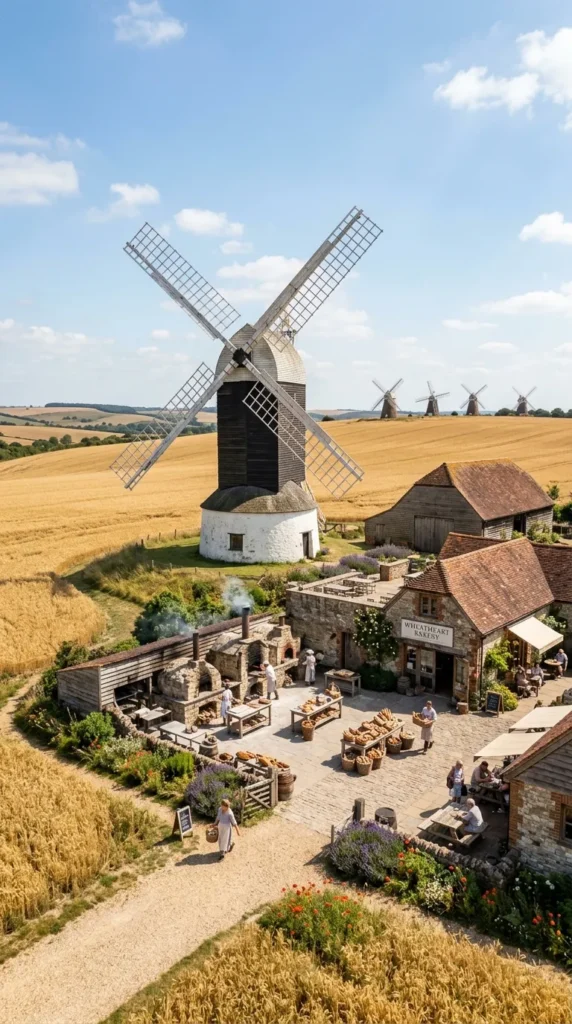
13. Windmill Farm & Bakery Compound
Introduction and Brief
Anchored by a towering white stone and timber windmill overlooking golden wheat fields, this pastoral farming compound supplies fresh bread and crops to the entire region.
What This Idea Means
This idea represents agricultural productivity, classic farm life, and kinetic architectural movement. The rotating windmill blades add dynamic visual life to the settlement.
How to Make It
- Foundation: Build a sturdy circular stone brick tower base that expands upward into a tapered white concrete or wool windmill body.
- Windmill Blades: Construct massive diagonal rotating blades using spruce wood beams and white wool paneling attached to axle logs.
- Bakery: Build an adjacent stone-and-timber bakery featuring brick ovens, smoking chimneys, and cart displays loaded with bread.
- Fields: Plant vast, terraced fields of golden wheat, pumpkins, and beetroot surrounding the mill compound.
Needs to Make That Thing
- Stone Bricks and White Concrete/Wool
- Spruce Wood Logs and Planks
- Bricks and Campfires for bakery ovens
- Wheat seeds, Hoes, and Water Channels
Tips
Incorporate rotating mechanism details using trapdoors and fence posts to make the windmill structure look mechanically plausible.
Variations
- The Windmill Flour Mill: Add internal hopper systems and grindstones simulating grain processing floors inside the tower.
- The Vineyard & Winery: Replace wheat fields with grape trellis rows (using sweet berry bushes and leaves) and wine-aging cellars.

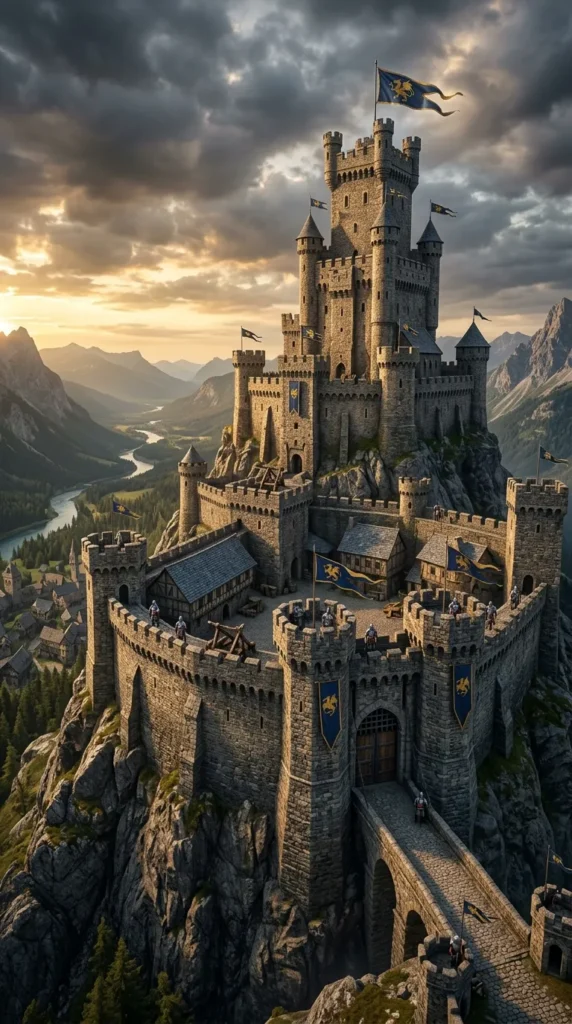
14. Royal Castle Keep & Barracks
Introduction and Brief
A fortified medieval stronghold featuring towering stone battlements, iron portcullises, guard barracks, and a majestic royal keep overlooking the village below.
What This Idea Means
This concept symbolizes military protection, feudal hierarchy, and medieval defense. It provides a secure stronghold that protects the civilian villagers from raids.
How to Make It
- Foundation: Build thick defensive perimeter walls using cobbled deepslate and stone bricks, reinforced with corner watchtowers.
- Gatehouse: Construct a grand stone archway entrance featuring an iron bar portcullis operated by hidden piston mechanisms or manual chains.
- Barracks: Build soldier quarters equipped with armor stands displaying iron and netherite gear, weapon racks, and bunk beds.
- Keep: Dominate the center with a massive multi-story stone keep tower topped with crenellated battlements and fluttering banners.
Needs to Make That Thing
- Stone Bricks, Cobbled Deepslate, and Chiseled Stone
- Iron Bars and Heavy Oak Doors
- Armor Stands, Banners, and Shields
- Campfires and Wall Torches for perimeter defense
Tips
Patrol the castle walls with iron golems and stationed villagers to give the fortress a fully active military garrison feel.
Variations
- The Cliffside Fortress: Carve the castle battlements directly into the upper ledges of a dramatic mountain cliff face.
- The Abandoned Ruined Castle: Weather the stone walls with cracked blocks, mossy cobble, and overgrown vines for an ancient historical feel.
15. Abandoned Overgrown Ruined Village Revival
Introduction and Brief
Breathe new life into a desolate, zombie-infested abandoned village by clearing out cobwebs, repairing broken stone walls, and restoring vibrant gardens and cozy homes.
What This Idea Means
This concept tells a powerful story of restoration, hope, and community rebirth. It transforms spooky, neglected ruins into a thriving, beautiful sanctuary.
How to Make It
- Foundation: Retain the original cracked stone and mossy wood foundations of the abandoned village buildings to preserve historical character.
- Repair Work: Patch missing roof tiles with matching wood stairs, replace broken glass panes, and clear away intrusive cobwebs and dead bushes.
- Landscaping: Replace cracked dirt paths with neat stone brick walkways, blooming flower beds, and custom fruit trees.
- Repopulation: Cure zombie villagers or transport new villagers into the restored homes, setting up working professions.
Needs to Make That Thing
- Original Abandoned Village Structure Blocks
- Matching Wood Planks, Stairs, and Cobblestone for repairs
- Shears (for clearing cobwebs) and Flowers
- Villager Beds, Workstations, and Bells
Tips
Keep select patches of moss and cracked stone blocks intact on the restored buildings to honor the village’s historic revival journey.
Variations
- The Jungle-Reclaimed Village: Cover restored jungle village huts with hanging vines, moss carpets, and giant ferns.
- The Desert Mirage Restoration: Revive a ruined sandstone desert village with flowing water canals and palm trees.
16. Jungle Treehouse Trading Post
Introduction and Brief
Tucked high within towering tropical jungle trees, this adventurous trading post connects jungle explorers with exotic tropical goods, map trades, and rare forest treasures.
What This Idea Means
This concept blends exotic jungle survival with bustling commerce. It utilizes natural tree canopies as structural supports for a multi-tiered trading hub.
How to Make It
- Foundation: Build wooden platform decks anchored securely into massive jungle tree trunks using stripped jungle logs and chains.
- Trading Stalls: Construct open-air bamboo and jungle wood stalls displaying cartography tables, emerald chests, and rare jungle loot.
- Access Bridges: Connect tree platforms using rope bridges crafted from fences, vines, and hanging trapdoor pathways.
- Interiors: Install villager trading stalls, crafting tables, and cozy hammock beds made of colored wool.
Needs to Make That Thing
- Stripped Jungle Logs and Bamboo Blocks
- Jungle Wood Planks, Slabs, and Stairs
- Chains, Fences, and Weeping Vines
- Cartography Tables and Lecterns for villagers
Tips
Use parrots sitting on fence posts and glowing cocoa bean pods on tree trunks to enhance the vibrant tropical jungle atmosphere.
Variations
- The Smuggler’s Tree Outpost: Add hidden trapdoor stashes, spyglass observation decks, and mysterious treasure maps.
- The Canopy Research Station: Combine trading stalls with botanical research tables, brewing stands, and specimen jars.
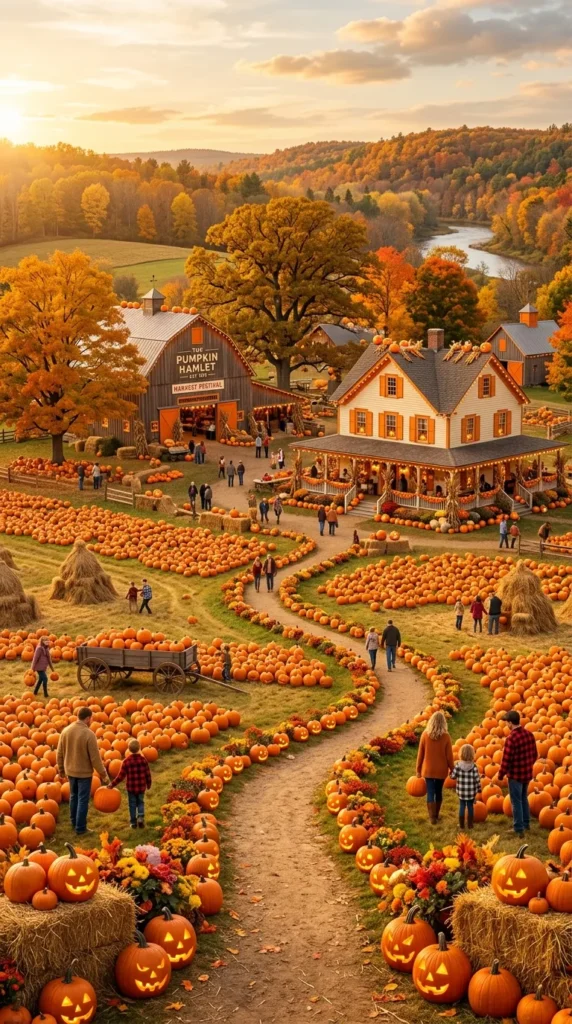
17. Autumn Harvest Pumpkin Patch Hamlet
Introduction and Brief
Bathed in the warm golden light of autumn, this seasonal harvest hamlet features rolling pumpkin patches, hay bale stacks, cozy farmhouses, and festive fall decor.
What This Idea Means
This concept celebrates seasonal warmth, harvest abundance, and cozy autumn nostalgia. It creates a heartwarming rural community centered around farming and autumn festivities.
How to Make It
- Foundation: Lay down warm oak plank and coarse dirt pathways winding through expansive pumpkin and melon fields.
- Farmhouses: Build cozy wooden farmhouses featuring orange wool trim, jack o’lantern porch lights, and stone brick chimneys.
- Harvest Stacks: Build large decorative hay bale stacks, wheelbarrows loaded with pumpkins, and scarecrows made of fence posts and carved pumpkins.
- Details: Add campfires cooking baked potatoes and sweet berries in outdoor village kitchens.
Needs to Make That Thing
- Oak Planks, Stairs, and Stripped Logs
- Pumpkins, Jack o’Lanterns, and Melons
- Hay Bales and Coarse Dirt
- Orange and Yellow Wool for festive banners
Tips
Use orange and brown autumn-colored carpets and leaf blocks (like oak and acacia) scattered on the ground to simulate fallen autumn leaves.
Variations
- The Halloween Spooky Hamlet: Add cobwebs, spooky armor stand skeletons, and soul lanterns for a festive spooky season twist.
- The Cider Mill Farm: Build a rustic wooden juice press station with apple barrels and brewing vats.
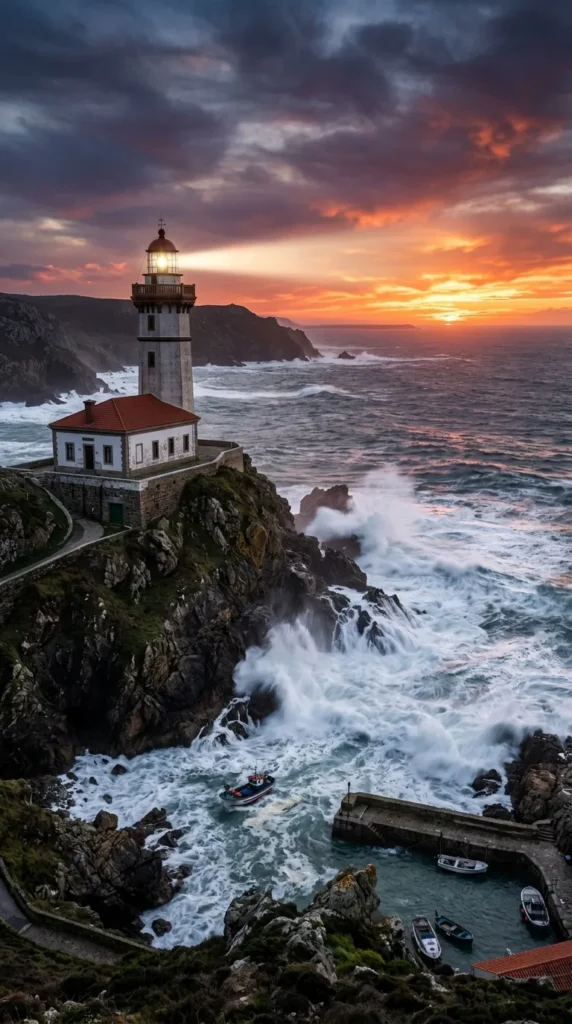
18. Harbour Lighthouse & Guard Station
Introduction and Brief
Standing tall on a jagged coastal rock outcropping, the Harbour Lighthouse features a powerful rotating beacon light and a fortified cliffside guard station protecting incoming ships.
What This Idea Means
This concept emphasizes maritime safety, coastal defense, and dramatic vertical architecture. It serves as an iconic landmark visible from anywhere across your ocean biomes.
How to Make It
- Foundation: Anchor a sturdy circular stone brick and deepslate tower base directly into a rocky ocean cliff ledge.
- Tower Body: Build upward using alternating white concrete and red terracotta rings for the classic maritime lighthouse color pattern.
- Beacon Chamber: Construct a glass-walled lantern room at the peak housing bright sea lanterns or a lit campfire with a lightning rod.
- Guard Station: Build an adjoining stone brick barracks building housing coastal guards, spyglasses, and weapon armories.
Needs to Make That Thing
- White Concrete and Red Terracotta
- Stone Bricks and Deepslate Tiles
- Glass Panes and Sea Lanterns
- Iron Bars, Bells, and Spyglasses
Tips
Use tinted glass panes inside the beacon chamber to concentrate the light intensity and create a striking visual beam effect at night.
Variations
- The Ancient Stone Lighthouse: Build the tower entirely from mossy cobblestone and cracked stone bricks for a weathered, ancient maritime feel.
- The Modern Solar Lighthouse: Construct a sleek quartz and glass tower featuring glowing end rods and daylight sensor arrays.
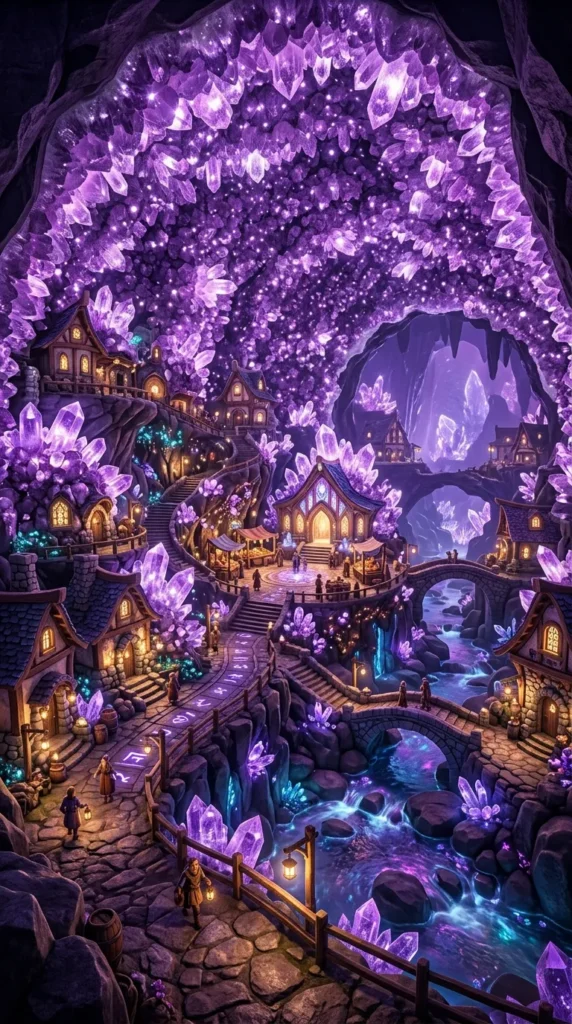
19. Crystal Cavern Sub-Village
Introduction and Brief
Built entirely inside a colossal underground crystal geode, this breathtaking subterranean sub-village features glowing amethyst houses, crystal bridges, and shimmering purple aesthetics.
What This Idea Means
This concept celebrates magical geology, otherworldly beauty, and imaginative subterranean architecture. It transforms standard underground geodes into living residential communities.
How to Make It
- Foundation: Excavate and expand a massive natural amethyst geode cave while preserving its sparkling outer crystal shell.
- Housing: Build crystalline residential pods using smooth basalt framing, purple stained glass, and amethyst block walls.
- Walkways: Construct floating glass and crystal bridges spanning across glowing amethyst crystal clusters.
- Lighting: Utilize the natural illumination of blooming amethyst clusters and sea lanterns to make the entire cavern shimmer.
Needs to Make That Thing
- Amethyst Blocks and Amethyst Clusters
- Smooth Basalt and Polished Basalt
- Purple Stained Glass Panes
- Sea Lanterns and End Rods
Tips
Avoid placing torches directly on crystal walls; instead, use hidden light sources beneath carpets and glass floors to preserve the clean crystal sparkle.
Variations
- The Copper Geode Outpost: Combine amethyst crystals with oxidized turquoise copper blocks for an incredible purple-and-teal color palette.
- The Deepslate Crystal Shrine: Build a central meditative temple surrounded by towering amethyst spires.
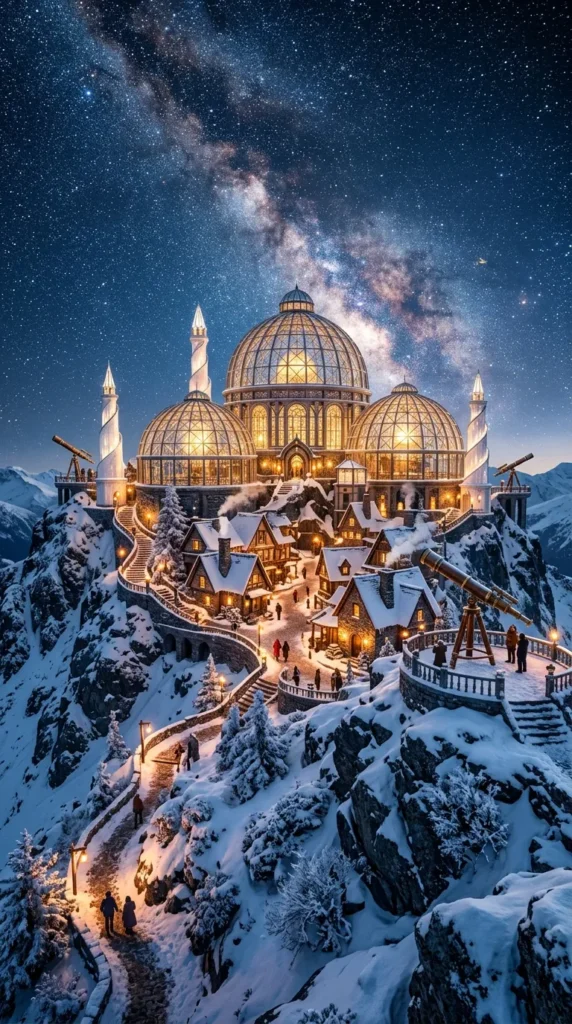
20. Celestial Stargazer Observatory Village
Introduction and Brief
Perched on the highest mountain peak in your world, this astronomical village features giant telescope domes, star-mapping libraries, and soaring white quartz observation towers.
What This Idea Means
This concept represents curiosity, astronomical wonder, and cosmic exploration. It provides an awe-inspiring mountaintop settlement dedicated to charting the Minecraft night skies.
How to Make It
- Foundation: Level the highest mountain peak and pour a polished andesite and smooth quartz plaza foundation.
- Observatory Domes: Construct spherical geodesic domes using white concrete frames and glass panes, housing massive spyglass telescope installations.
- Library Spire: Build a towering star-mapping library filled with cartography tables, endless bookshelves, and celestial star maps in item frames.
- Details: Add rooftop weather vanes, lighting rods, and glowing end rods simulating distant twinkling stars.
Needs to Make That Thing
- Smooth Quartz and White Concrete
- Glass Panes and Tinted Glass
- Cartography Tables and Bookshelves
- End Rods and Lightning Rods
Tips
Build the observatory dome at maximum world height to ensure unobstructed night sky views and atmospheric cloud layers passing beneath your windows.
Variations
- The Ancient Astrologer’s Tower: Build the observatory out of weathered deepslate, copper pipes, and mysterious glowing rune carpets.
- The Floating Moon Observatory: Suspend the telescope dome in mid-air using invisible barriers or high-altitude scaffolding platforms.